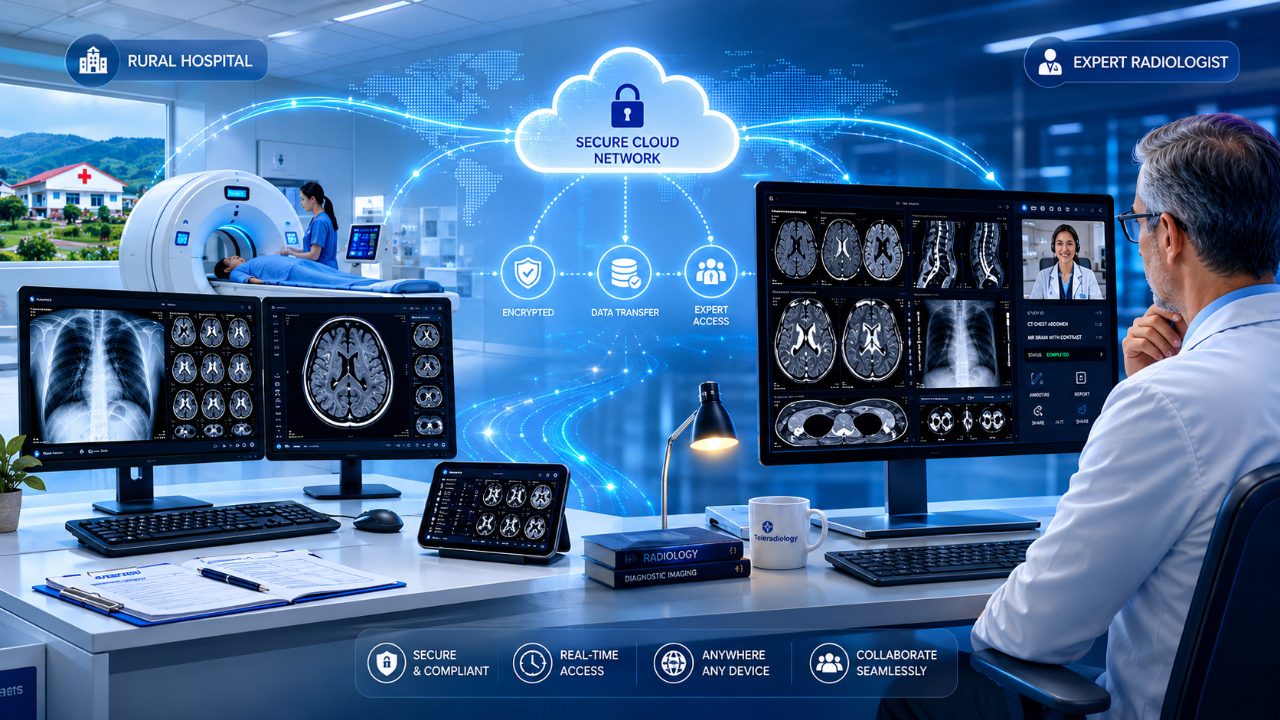
Teleradiology transmits radiological images — X-ray, CT, MRI — from one location to another, putting immediate diagnostic services and expert reporting in the hands of doctors and hospitals without being physically present with the patient.
Teleradiology delivers services from anywhere, anytime — without being present with the patient. The rise in disease prevalence, demand for second opinions and medical emergencies are the main forces driving the growth of teleradiology.

Specialists are concentrated in large cities, leaving rural centers without strong image interpretation. With teleradiology, specialists no longer need to be on-site — hospitals in remote areas gain access to quality diagnosis through secure teleconferencing.
As a global shortage of radiologists grows alongside rising chronic disease, teleradiology providers bring high-speed, high-resolution technology and newer modalities to accurate diagnosis.

Teleradiology helps telemedicine expand across every specialty by transmitting medical data to radiologists who interpret and provide accurate diagnoses.
Radiologists provide services without being present at the imaging site.
Inadequate on-site staff is no longer a barrier to timely reporting.
Patients in underserved regions receive improved radiological services.
A team of skilled radiologists is on hand for accurate diagnostics.
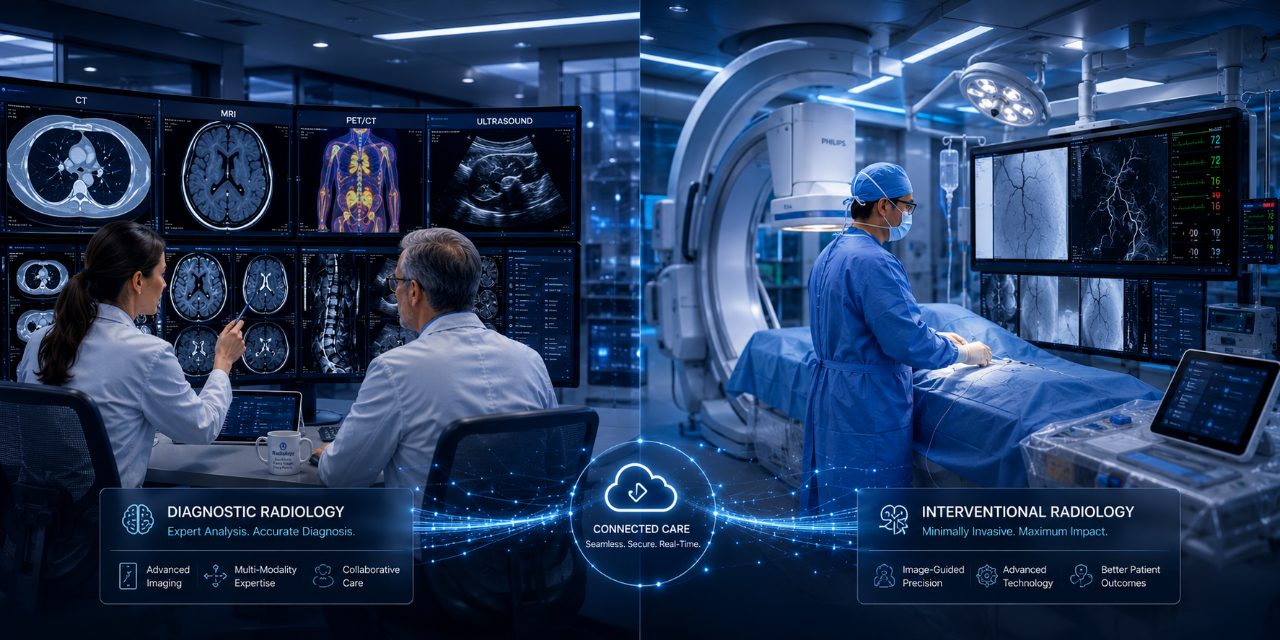
Diagnostic radiologists use ultrasound, CT, MRI and PET to assess conditions; interventional radiology uses image-guided procedures to diagnose and treat. Our network covers the full spectrum.

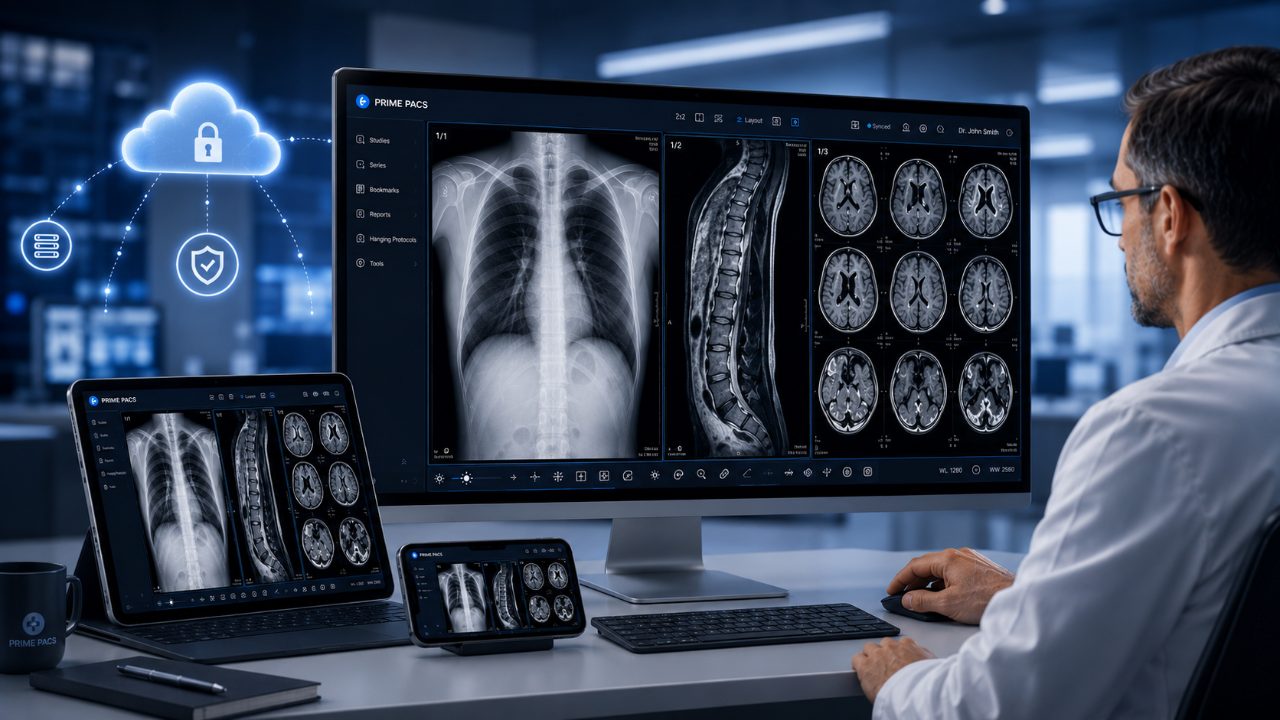
Picture archiving and communication replaces traditional film-based workflows with computerized transmission, storage, retrieval and presentation of imaging — online via cloud or on-premise — for a smooth, streamlined exam workflow.
The international standard for interpreting medical images and related data — defining the formats that can be exchanged and stored with the quality healthcare services demand.
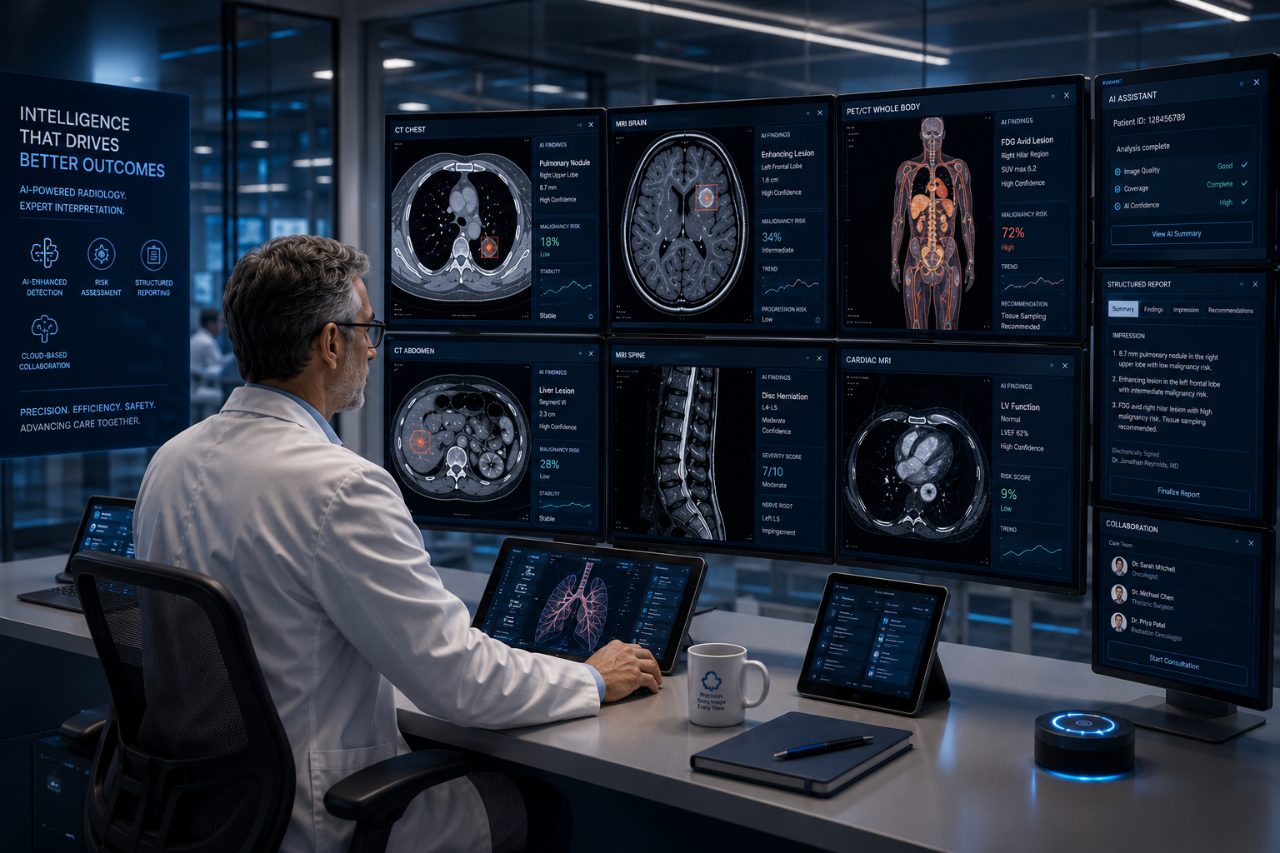
Technological advancement has made diagnosis more efficient, cost-effective and accurate. Algorithms and software that interpret radiological images help qualified radiologists learn, adapt and improve performance — raising patient safety and care while reducing overhead.
Online services are among the major advancements of recent years, with hugely diversified data spanning digital and 3D illustrations, tele-reporting and online reporting.

From a single imaging center to a national network — we tailor the workflow to you.